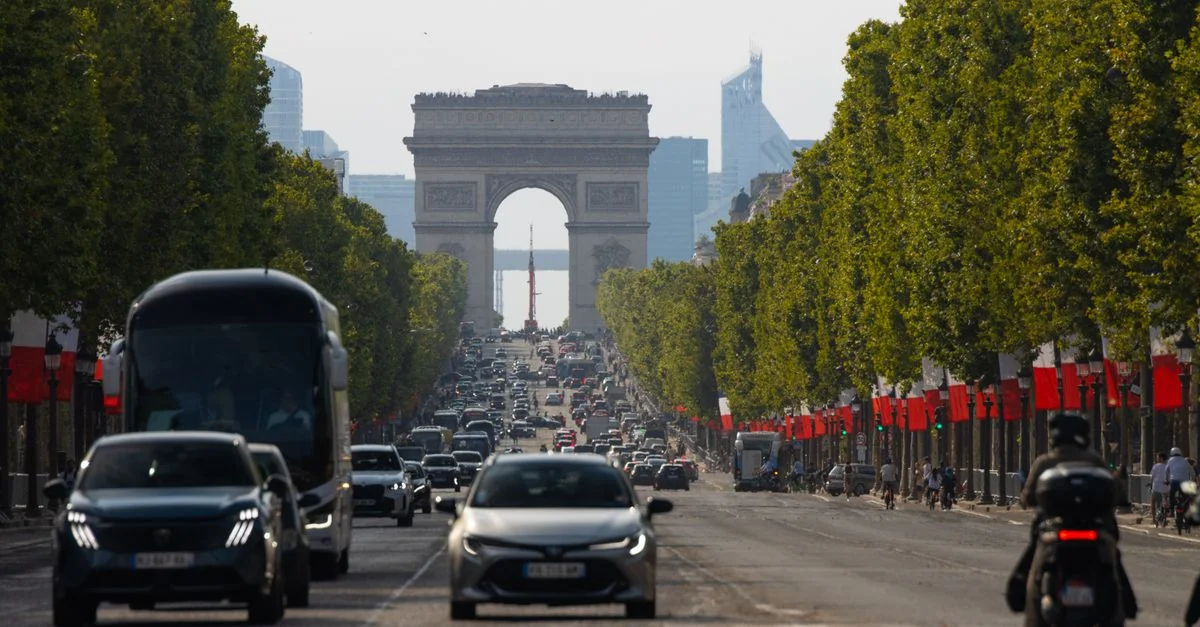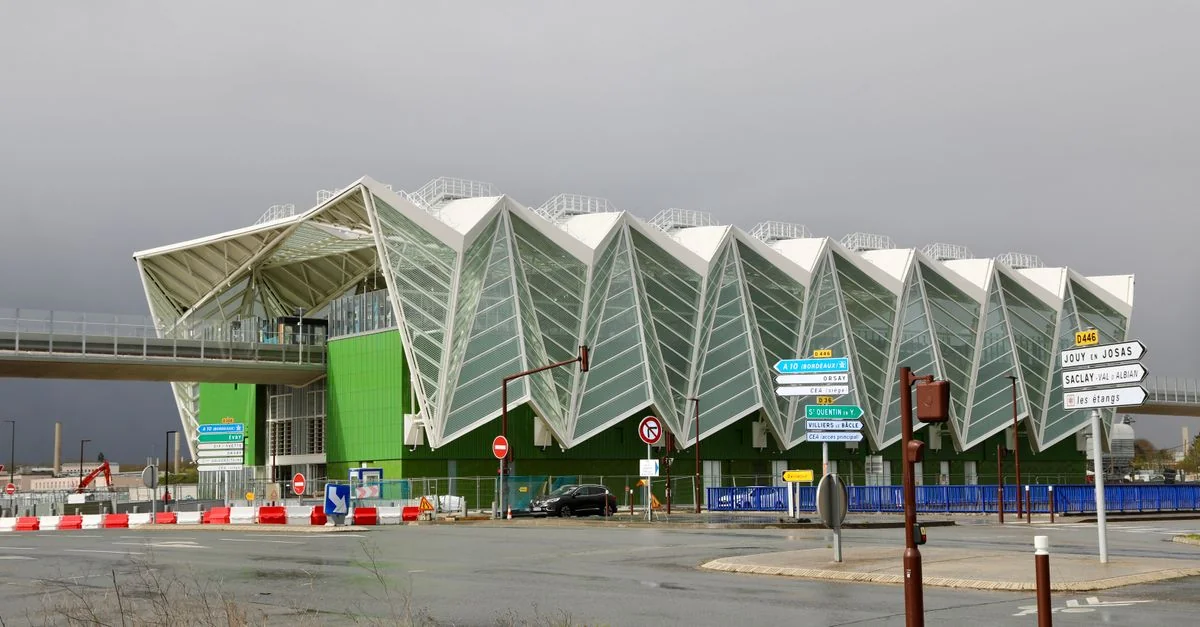
As I stepped off the plane at Paris Orly Airport, the familiar hum of the tarmac and the scent of jet fuel filled the air. The city of lights was just a short distance away, but getting there efficiently was another story. Orly Airport, while smaller than Charles de Gaulle, can be a logistical challenge, especially with luggage and tight schedules. This guide will walk you through your transfer options, from budget shuttles to luxury private transfers, ensuring you arrive in Orly city center or your hotel in comfort and style. Getting From the Airport to Orly City Center # Orly is well-connected to the city center, with several transfer options available. The most common and convenient way to reach Orly city center is by taking the RER B train, which runs every 10 minutes and takes about 20 minutes to reach Antony station. From there, you can take the Orlyval tram to Orly airport, but in reverse, it’s a great way to explore the surrounding areas. Tickets cost around €10.50 for a one-way trip, and you can purchase them at the airport or on the train.

I remember the specific, heavy silence of a terminal at 2 AM. You have just cleared customs, your suitcase wheels are screeching slightly against the polished concrete, and your phone battery is at 12%. You are tired, your ears are ringing from the descent, and the last thing you want to do is figure out if you need a taxi, a metro ticket, or a pre-booked car. After landing at airports worldwide, I have learned that the transfer from the plane to your hotel is not just a logistical step; it is the first test of your trip. In Île-de-France , the region surrounding Paris , this transition can be straightforward or stressful, depending entirely on how you handle it. The Île-de-France region is served primarily by two major airports: Charles de Gaulle (CDG) and Orly (ORY). Both are significant hubs, but they operate differently. CDG is massive, sprawling, and often feels like a small city in itself. Orly is smaller, more compact, and generally easier to navigate, though it can feel more cramped during peak hours. Understanding the layout of these airports is the first step in choosing the right transfer. Whether you are heading into the heart of Paris or staying in the suburbs, knowing your options before you land saves time and reduces stress.
Stepping off a flight at Charles de Gaulle Airport (CDG) and heading into Roissy-en-France usually means you just want to reach your hotel without complications. Having navigated arrivals here more times than I can count, I know the exact friction points—from hauling bags through crowded terminals to finding the right pickup zone. Roissy-en-France sits right on the doorstep of CDG, making the journey much shorter than heading into central Paris , but you still need a solid transport plan. Here is the straightforward breakdown of the transfer options available for this route, based strictly on real pricing and service categories.

Landing at Charles de Gaulle (CDG) or Orly (ORY) airports usually means dealing with crowded terminals, confusing signage, and the immediate headache of figuring out how to reach your final destination in the Val-d’Oise department. As someone who has dragged an oversized suitcase through European airports more times than I care to count, I know the relief of stepping past the customs exit and spotting someone holding a sign with your name on it. Val-d’Oise sits just north of Paris , making it accessible from both major Parisian airports, but getting your logistics right saves hours of transit frustration. Getting From the Airport to Val-d’Oise City Center # Navigating the route from a major international hub like CDG or Orly to Val-d’Oise requires a solid plan. Public transit options involving regional trains and buses often mean multiple transfers with heavy bags, which loses its appeal after a long-haul flight. Pre-arranged vehicles bridge this gap by taking you directly from the arrivals hall to your hotel or accommodation in the department.
Stepping off the plane and navigating international arrivals always brings a specific type of fatigue. When I land, my primary goal is getting out of the terminal and toward my destination without getting scammed by rogue taxi drivers or lost in confusing transit maps. For Seine-Maritime , located in the Normandy region of France , your arrival logistics depend entirely on your starting point, whether you are stepping off a transatlantic cruise or connecting from a major European hub. Port Transfers (only if port transfer data exists) # If your journey involves arriving at or departing from the maritime hubs of Seine-Maritime—specifically the Port of Le Havre —you will likely need a reliable vehicle to bridge the gap between the coastline and the French capital or its major transport hubs. Navigating this stretch requires pre-booked arrangements, especially if you are carrying heavy luggage off a cruise ship.
Stepping off the plane after a long flight, the last thing I want to deal with is a confusing ground transportation network. Landing at Geneva Airport (GVA) or Lyon -Saint Exupéry Airport (LYS) to get to the French Alps means navigating crowded arrivals halls, ski gear, and winter weather. When you touch down, the transition from the terminal to your chalet in Courchevel sets the tone for your entire alpine trip. Having made this journey more times than I can count, I know that booking your ground transport ahead of time saves hours of frustration at the curb.
Stepping off the plane at Marseille Provence Airport (MRS), located in Marignane, is usually a relief after a long flight. You walk out of the terminal, the Mediterranean air hits you, and your immediate priority shifts from navigating the cabin to finding your way into the city. I have landed here enough times to know that the transition from the arrivals hall to your hotel can either set the tone for a productive trip or turn into a logistical headache. The airport serves as the gateway to the Provence region, and while it is well-connected, the distance to Marseille city center requires a bit of planning. You aren’t just walking out the door and into the heart of the city; you have a commute ahead of you. Whether you are traveling for business or a quick getaway, understanding your transfer options will save you time and unnecessary stress.
Stepping off the plane at Lyon -Saint Exupéry Airport (LYS), you want a straightforward route to your hotel without overthinking the logistics. I have touched down here with baggage in hand more times than I can count, and the key to a stress-free arrival is knowing your ground transport options before you land. Lyon offers distinct private vehicle arrangements for getting between the airport, the city center, and the local port. Let’s break down how to manage your transit efficiently.
Landing at Lyon -Saint Exupéry Airport (LYS) usually means stepping off the plane ready to get straight to your hotel without wasting time. After touching down on the tarmac, you will navigate through baggage reclaim and customs before exiting into the arrivals hall. I always keep my phone connected right after landing so I can easily track my driver or locate my designated meeting spot. For late-night flight arrivals into LYS, always confirm that your transfer provider tracks flight numbers in real-time, as delays are common and you do not want your driver leaving if your inbound flight gets pushed back past midnight.
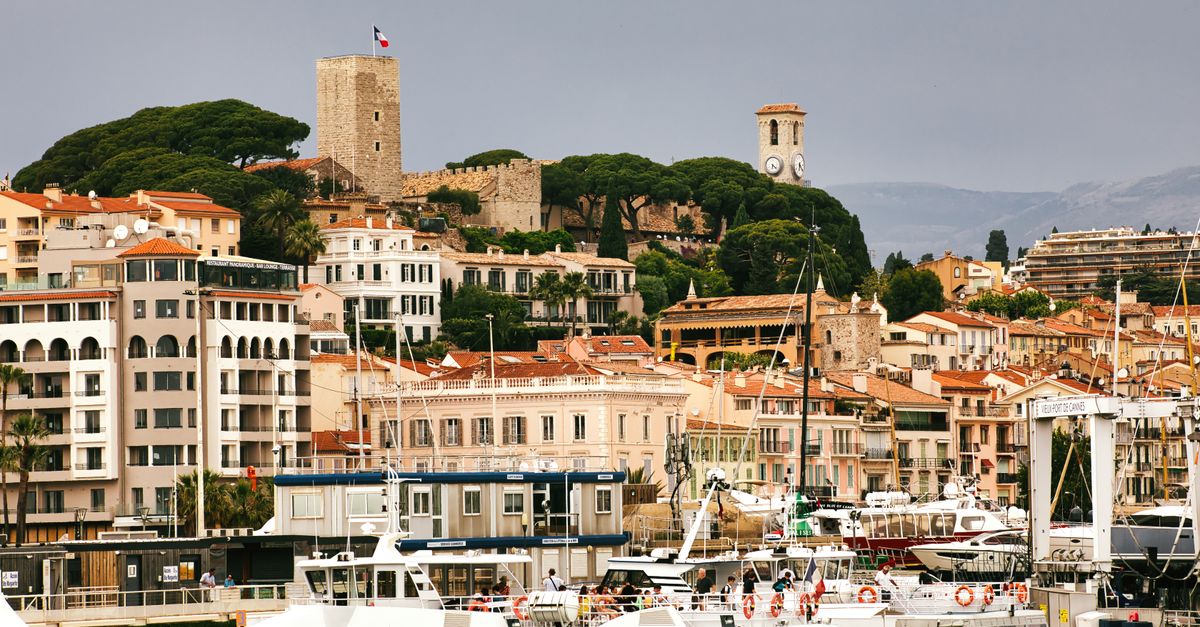
Stepping out of the terminal at Nice Côte d’Azur Airport (NCE)—the main gateway for getting to Cannes —always feels like a mix of relief after a cramped flight and the sudden realization that you still need to bridge the 30-kilometer gap to the Croisette. The arrivals hall at NCE gets congested quickly, especially during the summer months or during major events like the Cannes Film Festival. Navigating the taxi queues or figuring out the public bus system with heavy luggage can test your patience before your trip even properly begins.